
Highlights
Reasons for Oil Mixing with Engine Coolant
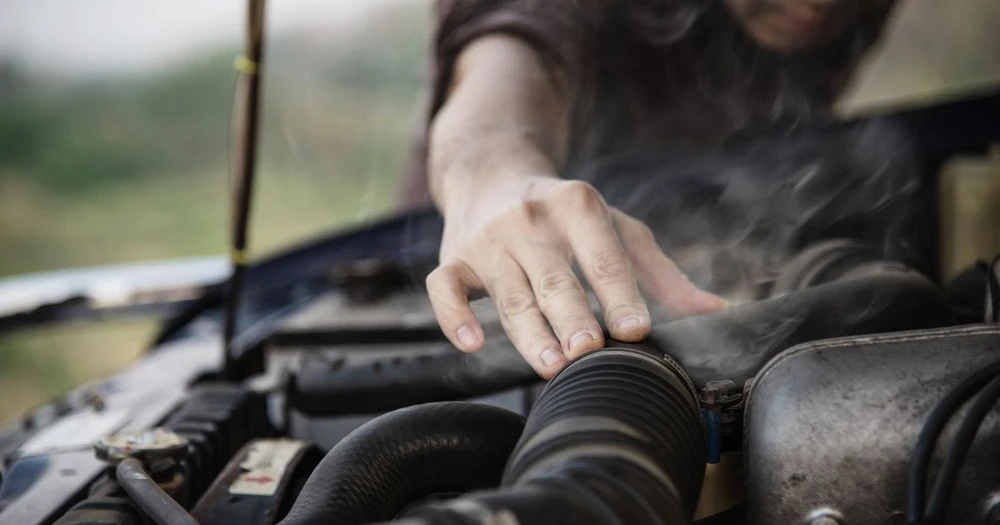
Engine coolant (antifreeze) and engine oil are two vital components of a car's engine. These two fluids must operate in separate systems. If these two fluids mix, it is usually a serious warning sign for the engine and requires immediate intervention.
Reasons for Oil Mixing with Engine Coolant
The primary reason for oil mixing with coolant is the damage to the barriers that ensure sealing between the two systems, caused by various factors.
1. Blown Head Gasket (Most Common Reason)
The head gasket provides a seal between the engine block and the cylinder head. This gasket separates the engine oil and coolant passages.
Overheating: Engine overheating can cause the gasket to experience thermal stress, leading to it burning, cracking, or deforming.
Pressure Issues: High pressure within the combustion chamber can stress the gasket, causing the oil and water passages to open into each other. This is the most common and serious cause of mixing.
2. Heat Exchanger (Oil Cooler) Failure
Especially in turbocharged or high-performance vehicles, a heat exchanger (oil cooler) is used to cool the engine oil.
Structure: This component passes engine oil and coolant through adjacent channels.
Leakage: If the thin partitions or seals within the exchanger wear out over time or develop cracks, the high-pressure oil will mix with the coolant.
3. Cracked Cylinder Head
Cracks can form in the cylinder head due to prolonged exposure to high heat or sudden temperature changes (e.g., freezing in winter).
These cracks can connect the oil and water passages, leading to mixing. This typically means a more expensive repair requiring complete engine disassembly.
4. Damaged Engine Block
In very rare and severe cases, the engine block itself can develop cracks or damage.
Freezing: If antifreeze is not used in winter, the freezing of coolant can cause the engine block to expand and crack.
What Happens If Oil Mixes with Engine Coolant?
The mixing of oil and water leads to critical problems that can cause significant damage to the engine in a short period.
Reduced Cooling Performance: Oil reduces the heat transfer capability of water. This prevents the engine from cooling properly and increases the risk of overheating again.
Corrosion and Clogging: The mixed oil forms a sludge-like layer on the internal surfaces of the cooling system (radiator, hoses, thermostat). This clogging obstructs the flow of coolant and damages the system.
Pump and Seal Damage: Oil damages the water pump seals, which are not designed to operate in oil, leading to premature failure of the water pump.
Engine Lubrication Problems: If water mixes with engine oil (which is also common in head gasket issues), the lubricating ability of the engine oil decreases. This can cause severe and permanent damage to critical engine parts that rely on friction (crankshaft, pistons, etc.).
How to Tell If Oil Has Mixed with Engine Coolant
Early diagnosis of this condition is vital to save your engine. Here are the signs to watch out for:
Brown Foam (Creamy Sludge) on the Dipstick: One of the most obvious signs. A light brown, mayonnaise-like foam (sludge) appears on the dipstick or under the engine oil filler cap as a result of engine oil mixing with water.
Coolant Reservoir Check: When you look inside the expansion tank, you will see a dark, oily film on the surface of the coolant, or a coffee/yellowish sludge mixed with the water.
Exhaust Smoke: If coolant is leaking into the combustion chamber due to a blown gasket, dense white smoke (with a sweet smell) may exit the exhaust.
Overheating: The engine frequently overheats due to blockages in the radiator. The temperature gauge shows abnormal rises.
Abnormal Pressure: If the coolant hoses become abnormally stiff shortly after the engine starts, it may indicate that gases from the combustion chamber are leaking into the cooling system.
Solution for Oil Mixing with Engine Coolant
Oil and water mixing is not a simple problem that you can fix yourself. It requires expert mechanical service.
Diagnosis: The first step is to identify the source of the mixing. (Gasket, heat exchanger, cracked head, etc.)
Compression Test: Performed for head gasket damage.
Pressure Test: Performed for the cooling system and, if applicable, the oil cooler.
Replacement of Damaged Part:
-If the problem is with the head gasket, it needs to be replaced with a new one. During this process, the surface of the cylinder head should be checked and machined if necessary.
-If the problem is with the oil cooler, this part should be replaced with a new one.
Thorough System Flush (Flushing): This is one of the most critical steps. The oil and water mixture has spread throughout the entire cooling system (radiator, heater core, hoses). This sludge must be completely cleaned out. Otherwise, even after installing a new gasket, the system will continue to clog, and the engine will overheat again.
Oil Change: In case coolant has mixed with the oil pan, the engine oil and oil filter must be changed.
If you notice these symptoms in your engine, stop the vehicle immediately and have it towed to an authorized service center. Continuing to drive the vehicle with mixed fluids can lead to permanent engine damage that will increase repair costs into the thousands of dollars.